
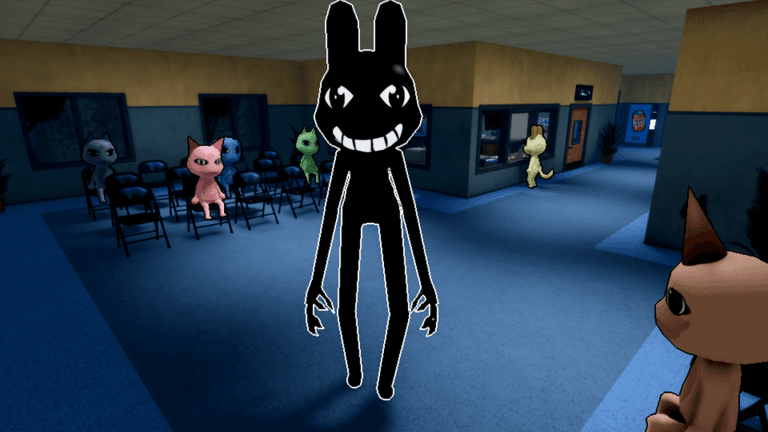
Animal Hospital does not have a fixed final shift. Early shifts introduce systems and story events, but completing those events does not end the run. Players can continue into higher shifts as difficulty increases.
How shift progression works
A shift is one cycle of the hospital’s ongoing loop rather than a chapter on a fixed road to one last number. Early play teaches Check-In, diagnosis, treatment, anomaly evidence and movement between rooms. Later play continues those responsibilities while difficulty and events develop.
Treat the counter as endurance progress rather than a countdown to one ending. Choose a route or accuracy goal for the session instead of waiting for a final number.
Early-shift priorities
Use the beginning of a run to make the basic route reliable. Learn which wing contains each numbered room, read the diagnosis before collecting medicine and compare suspicious patients with the available photo or CCTV evidence. Early mistakes are more useful when they reveal which part of the loop needs practice.
The first shifts may also introduce systems or story threads. An introduction is not a deadline: an NPC appearing during an early range does not mean the entire run ends when that chain is complete. Character timing can vary between runs and versions.
Story events do not end the run
Ratthew, Liz and Barney each have multi-step interactions, but resolving one is not the same as finishing Animal Hospital. A Journal outcome closes or advances that thread; it does not stop the wider hospital loop.
Completing the last step of one quest may award its outcome while the hospital loop continues. Treat character progress, class progress and the shift counter as connected systems with different endpoints.
Preparing for higher shifts
- Assign a stable Check-In role when playing with a team.
- Keep diagnosis and treatment confirmation ahead of speed.
- Learn Rooms 6, 7 and 8 before specialized cases create pressure.
- React to anomaly and enemy cues without abandoning the whole patient queue.
- Set a session target, because the game does not provide one final completion shift.
A useful target might be learning a route, completing an interaction or testing whether a class solves a recurring bottleneck. It is a session goal, not a global end condition.
Class choice can support that plan without changing the number of available shifts. Intern offers a no-cost learning margin; Nurse reduces supply backtracking; Secretary rewards accurate reception work; Surgeon rewards treatment success. These perks change how a player handles the loop, not whether the loop has a fixed ending.
As difficulty rises, preserve the order of operations. A faster shift count is not useful if it comes from skipped evidence or guessed medicine. The ongoing structure makes repeatable accuracy more important because one careless route can continue affecting patients and team workload beyond a single early tutorial.
Setting a useful session goal
Choose one measurable target before the run: complete a clean route, reduce wrong-item trips, keep Check-In covered or advance one character interaction. A session can succeed against that target even when the shift counter continues. This gives the team a stopping point without confusing it with an ending built into the game.
For an endurance goal, record the highest completed shift and the condition that ended the run. For a learning goal, record the mistake that repeated most often. Both notes are more actionable than copying another player’s number because they identify what to practice next.
High-shift records and limits
Videos reaching high shift numbers show that continued play is possible. The highest number shown is where that run stopped, not proof of the engine’s maximum or a permanent difficulty formula.
Likewise, one NPC appearing at a particular shift in a recording does not create a guaranteed schedule for every player. Update changes, random timing or different ways of counting interactions can explain variation without changing the endless structure.
When tracking personal progress, record the highest completed shift as a run result rather than a global limit. Another player’s higher number does not invalidate the run. This framing also keeps story completion separate from endurance milestones.
Common mistakes
- Do not call a completed character quest the end of Animal Hospital.
- Do not use the highest shift in one video as a system limit.
- Do not promise an NPC on one exact shift when timing varies.
- Do not rush treatment merely to increase the counter.
If a future update adds a clear ending, follow the new live objective. Until then, plan each run around an achievable session goal.
Frequently asked questions
What is the last shift in Animal Hospital?
Progress can continue after the early systems and story events, so the highest completed shift is a personal run result rather than an ending.
Does finishing a story quest end the game?
No. It completes that interaction thread or Journal outcome, not the entire hospital run.
Do shifts get harder?
Difficulty increases as play continues, but no fixed numeric scaling formula is shown. Prepare for more pressure rather than planning around an exact multiplier.