
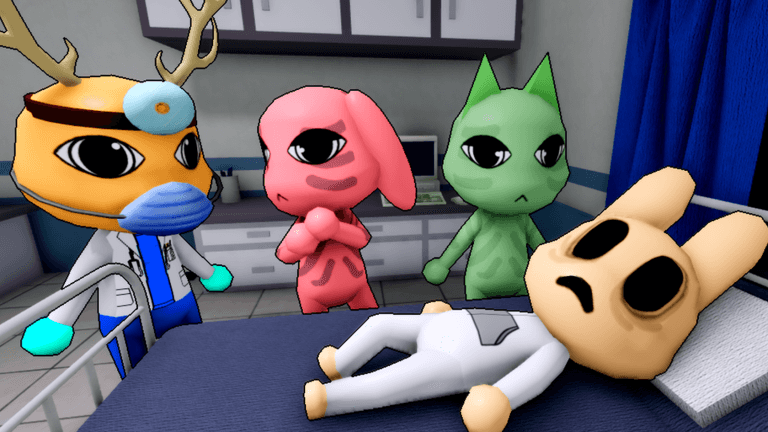
Animal Hospital treatment depends on matching the patient’s diagnosis to the correct item. Common pairings are Herbs for headache, Medicine for stomach ache, Thermometer for fever, Bandages for bleeding, Ointment for burns or rash, Cough Syrup for flu and Maple Syrup for low sugar. Dry-eye steps vary between Eye Drops and IV-related wording, so follow the current diagnosis prompt for that case.
Find a treatment quickly
Type a diagnosis or item into the lookup. The finder uses the same known pairings as the table below and does not replace the wording shown by the current game.
Medicine Treatment Finder
Search a diagnosis or item. Always follow the current game prompt when it differs.
Verify the patient before use.
Match the displayed diagnosis.
Match the displayed diagnosis.
Match the displayed diagnosis.
Use only when the current diagnosis calls for it.
Verify the patient before use.
Verify the patient before use.
Follow the exact current prompt.
Open the focused treatments page for the complete workflow, or use the dedicated Herbs and Cough Syrup answers when those are the exact items in question.
All known medicine and treatment items
| Diagnosis or case | Treatment item | Action note |
|---|---|---|
| Headache | Herbs | Verify the patient before use |
| Stomach ache | Medicine | Verify the patient before use |
| Fever | Thermometer | Match the displayed diagnosis |
| Bleeding | Bandages | Match the displayed diagnosis |
| Burns or rash | Ointment | Wording varies by case list |
| Flu | Cough Syrup | Verify the patient before use |
| Low sugar | Maple Syrup | Verify the patient before use |
| Dry-eye case | Eye Drops or IV-related wording | Follow the current prompt |
Match item names to the current interface exactly. Dry-eye wording varies, so do not carry either item until the prompt identifies the required step.
Read the diagnosis first
Do not select an item because its real-world use sounds plausible. Animal Hospital defines its own interaction pairings, and giving the wrong treatment can kill the patient. Read the case, confirm the displayed term and only then collect the matching item.
In team play, repeat the diagnosis and item during the handoff so the supply runner and treatment player share the same plan. In solo play, keep one case in focus rather than loading the backpack with guesses for several patients. A correct route begins with information, not with the nearest shelf.
Treatment workflow
- Read the diagnosis or current treatment requirement.
- Match it to the item name shown by the live game.
- Collect only the supplies needed for confirmed assignments.
- Carry the item to the patient or required treatment room.
- Verify the patient before using the item.
- Stop and review when the live prompt differs from memory.
This order matters most for inventory classes. Nurse can carry more items, and Head Nurse can submit carried treatment items together, but neither class makes a wrong object safe. Increased throughput magnifies both good preparation and mistakes.
Clear obsolete items before accepting the next treatment plan. A backpack that still contains supplies from a completed patient can create confusion during a later handoff, especially when Head Nurse’s combined technique is available. Capacity should represent assigned cases, not a history of everything collected during the shift.
Rooms and specialized supplies
The current map guides place X-Ray equipment in Room 6, the Heart Monitor in Room 7 and Surgery in Room 8. Room 8 contains specialized surgery supplies. These equipment-based cases should not be flattened into the ordinary medicine table because the destination is part of the requirement.
Learn the route from Check-In through the Lobby to each wing before high-pressure shifts. A known diagnosis with an unknown room still delays the case. Conversely, arriving at Surgery with an unrelated item does not satisfy the prompt.
The Room 5 hidden safe is a story location, not a treatment supply source. Keeping map categories separate prevents a key quest from being mixed into medicine advice.
Item wording conflicts
Dry-eye wording varies between Eye Drops and an IV-related treatment. The difference may reflect a version change or separate interaction steps.
If burns and rash appear as separate live cases, use Ointment only when the current diagnosis calls for it. Use only the item and timing shown by the interaction.
Class choices for treatment work
Intern offers more starting Sanity while a player learns the item route. Nurse adds inventory slots, which can reduce backtracking once diagnoses are assigned. Head Nurse adds capacity, starting Sanity and a once-per-shift technique that submits carried treatment items. Surgeon rewards successful treatment with Sanity and movement benefits.
Each perk changes workflow, not the pairing itself. Nurse should carry the right object, Head Nurse should clean the backpack before activating the technique and Surgeon must still complete a correct treatment before its benefit triggers. Class selection cannot rescue a medicine guess.
Secretary can help a reception player sustain accurate Check-In work, but its Sanity trigger does not determine the medicine. Secret Agent’s combat equipment addresses a different part of the hospital loop. Keep class benefits attached to their real triggers so the treatment table remains about cases and items.
Treatment handoffs in a team
Use a three-part callout: patient, diagnosis and item or room. “Patient A, fever, Thermometer” is clearer than saying only “I have the medicine.” For specialized cases, add the destination: X-Ray in Room 6, Heart Monitor in Room 7 or Surgery in Room 8. The treatment player should repeat the assignment before using the item.
When responsibility changes, state whether the supply has already been collected. This prevents two runners from taking the same item while another case receives nothing. After a successful treatment, remove that assignment from the shared queue and clear obsolete supplies from the backpack. If a prompt changes during the handoff, stop and use the current wording instead of completing the older plan from memory.
Common mistakes and recovery
- Do not administer an item from real-world intuition alone.
- Do not treat a dated screenshot as stronger than the current prompt.
- Do not carry surgery supplies into an ordinary case without a requirement.
- Do not use Head Nurse’s technique with an unverified loadout.
- Do not hide a wording conflict to make the table look complete.
If a prompt differs, pause the case and identify the exact diagnosis, item and room shown now. Remove the outdated pairing from the plan before another teammate repeats it.
Frequently asked questions
What treats headache in Animal Hospital?
Herbs treat headache in the current pairing list. Verify the item name in the diagnosis interface before use.
What treats bleeding and fever?
Bandages treat bleeding and the Thermometer treats fever.
Where are surgery supplies?
Specialized surgery supplies are in Room 8, the Surgery room.
What if this list conflicts with the game?
Follow the live diagnosis and item prompt. The current interface is the final practical check after an update.